






Swiv nou sou Instagram
Plis pase yon Konpayi Deyò.

@sawyerproducts
Follow us on Instagram












The CDC has reported a rise in Lyme disease cases. Here’s why that’s a problem for outdoor enthusiasts.
With shelter-in-place orders and travel bans still in effect, many of us have found solace exploring trails closer to home. Still, there are risks involved. According to recent CDC data, ticks pose a higher risk than usual for those recreating outdoors.
“With an active pandemic gripping the globe, it’s even more important to know the signs and symptoms of Lyme disease to ensure it is treated promptly. It presents with many similar symptoms to that of COVID-19, such as muscle aches, headaches and fever.
“The major discernible difference is that Lyme disease usually also presents with a red, bulls-eye rash,” said Jorge Parada, M.D., M.P.H., F.A.C.P., F.I.D.S.A., F.S.H.E.A, a medical advisor for the National Pest Management Association (NPMA).
The NPMA is a nonprofit that works to support pest management and track outbreaks of pests/diseases that could threaten public health.
“Be sure to monitor for flu-like [and other] symptoms after spending time outdoors, and seek medical attention immediately if you think you’ve been bitten,” Parada suggested.
Perhaps more alarming, according to the CDC, the number of counties in the U.S. that harbor the black-legged tick (deer tick) — the parasite responsible for most Lyme disease cases — has more than doubled in the past 20 years. But these aren’t the only threat to humans. The NPMA identified three other major types of ticks people (and their pets) should watch out for.
Lone star tick: You will find this tick mostly throughout the eastern and southeastern U.S. Its name comes from the single silvery-white spot located on the female’s back. It attacks humans more frequently than any other tick species in those regions and is a vector of many dangerous diseases.
Rocky Mountain wood tick: These reside primarily in the Rocky Mountain region of the U.S., such as Colorado, Idaho, and Montana. It can transmit Rocky Mountain spotted fever, a potentially fatal disease, and turns gray after feeding on a host.
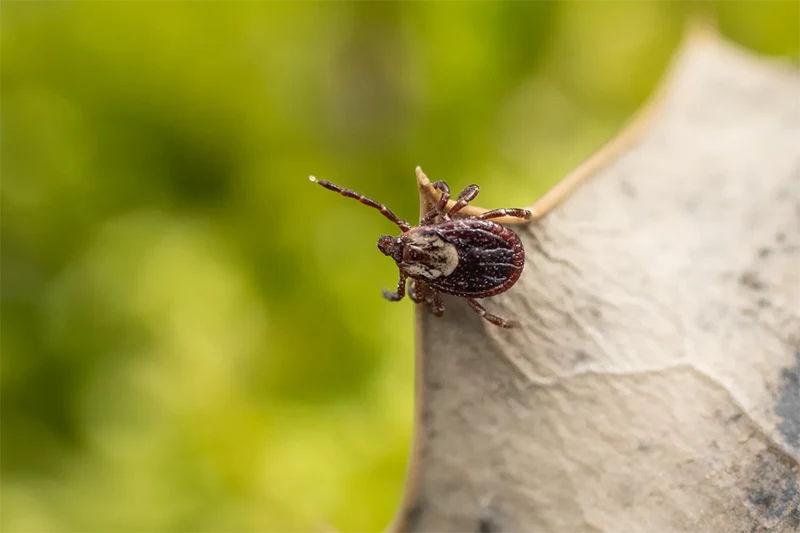
American dog tick: Also known as the wood tick, it lives throughout most of the U.S. and is identified by its brown body and white-gray markings. It prefers to feed on domestic dogs but will also feed on humans and is a vector of Rocky Mountain spotted fever.
Continue reading the article on Gear Junkie here.


The CDC has reported a rise in Lyme disease cases. Here’s why that’s a problem for outdoor enthusiasts.
With shelter-in-place orders and travel bans still in effect, many of us have found solace exploring trails closer to home. Still, there are risks involved. According to recent CDC data, ticks pose a higher risk than usual for those recreating outdoors.
“With an active pandemic gripping the globe, it’s even more important to know the signs and symptoms of Lyme disease to ensure it is treated promptly. It presents with many similar symptoms to that of COVID-19, such as muscle aches, headaches and fever.
“The major discernible difference is that Lyme disease usually also presents with a red, bulls-eye rash,” said Jorge Parada, M.D., M.P.H., F.A.C.P., F.I.D.S.A., F.S.H.E.A, a medical advisor for the National Pest Management Association (NPMA).
The NPMA is a nonprofit that works to support pest management and track outbreaks of pests/diseases that could threaten public health.
“Be sure to monitor for flu-like [and other] symptoms after spending time outdoors, and seek medical attention immediately if you think you’ve been bitten,” Parada suggested.
Perhaps more alarming, according to the CDC, the number of counties in the U.S. that harbor the black-legged tick (deer tick) — the parasite responsible for most Lyme disease cases — has more than doubled in the past 20 years. But these aren’t the only threat to humans. The NPMA identified three other major types of ticks people (and their pets) should watch out for.
Lone star tick: You will find this tick mostly throughout the eastern and southeastern U.S. Its name comes from the single silvery-white spot located on the female’s back. It attacks humans more frequently than any other tick species in those regions and is a vector of many dangerous diseases.
Rocky Mountain wood tick: These reside primarily in the Rocky Mountain region of the U.S., such as Colorado, Idaho, and Montana. It can transmit Rocky Mountain spotted fever, a potentially fatal disease, and turns gray after feeding on a host.
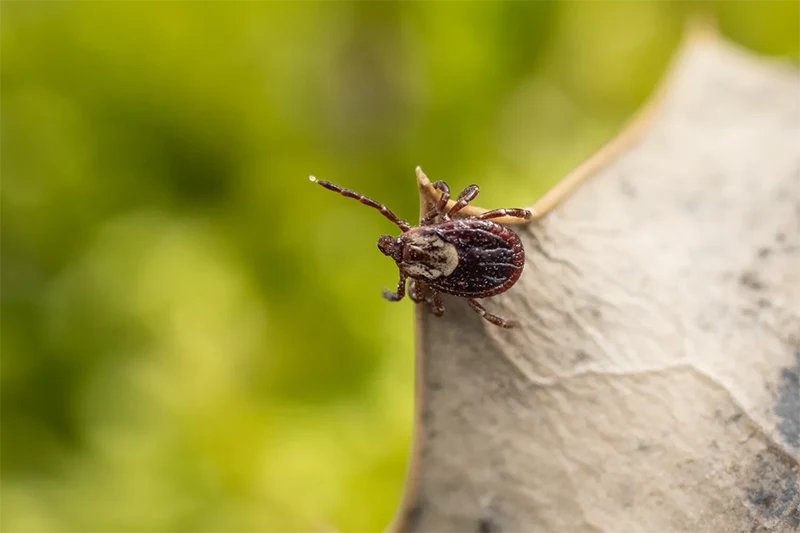
American dog tick: Also known as the wood tick, it lives throughout most of the U.S. and is identified by its brown body and white-gray markings. It prefers to feed on domestic dogs but will also feed on humans and is a vector of Rocky Mountain spotted fever.
Continue reading the article on Gear Junkie here.
The CDC has reported a rise in Lyme disease cases. Here’s why that’s a problem for outdoor enthusiasts.
With shelter-in-place orders and travel bans still in effect, many of us have found solace exploring trails closer to home. Still, there are risks involved. According to recent CDC data, ticks pose a higher risk than usual for those recreating outdoors.
“With an active pandemic gripping the globe, it’s even more important to know the signs and symptoms of Lyme disease to ensure it is treated promptly. It presents with many similar symptoms to that of COVID-19, such as muscle aches, headaches and fever.
“The major discernible difference is that Lyme disease usually also presents with a red, bulls-eye rash,” said Jorge Parada, M.D., M.P.H., F.A.C.P., F.I.D.S.A., F.S.H.E.A, a medical advisor for the National Pest Management Association (NPMA).
The NPMA is a nonprofit that works to support pest management and track outbreaks of pests/diseases that could threaten public health.
“Be sure to monitor for flu-like [and other] symptoms after spending time outdoors, and seek medical attention immediately if you think you’ve been bitten,” Parada suggested.
Perhaps more alarming, according to the CDC, the number of counties in the U.S. that harbor the black-legged tick (deer tick) — the parasite responsible for most Lyme disease cases — has more than doubled in the past 20 years. But these aren’t the only threat to humans. The NPMA identified three other major types of ticks people (and their pets) should watch out for.
Lone star tick: You will find this tick mostly throughout the eastern and southeastern U.S. Its name comes from the single silvery-white spot located on the female’s back. It attacks humans more frequently than any other tick species in those regions and is a vector of many dangerous diseases.
Rocky Mountain wood tick: These reside primarily in the Rocky Mountain region of the U.S., such as Colorado, Idaho, and Montana. It can transmit Rocky Mountain spotted fever, a potentially fatal disease, and turns gray after feeding on a host.
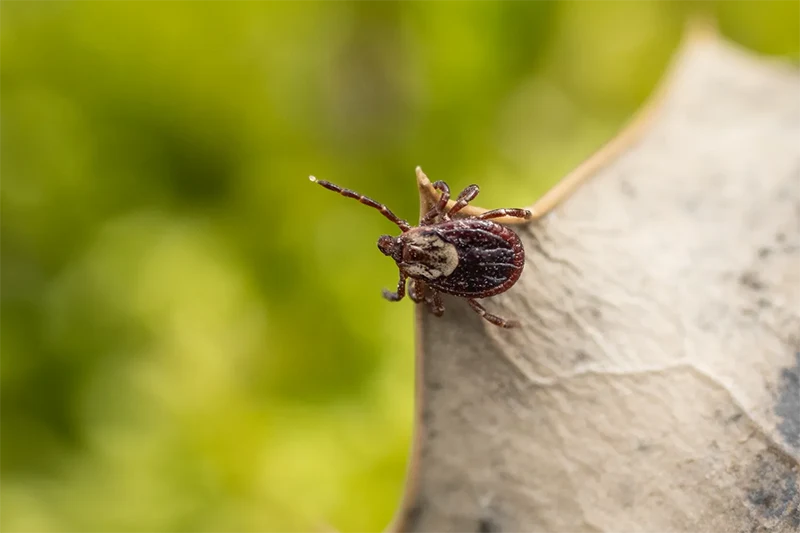
American dog tick: Also known as the wood tick, it lives throughout most of the U.S. and is identified by its brown body and white-gray markings. It prefers to feed on domestic dogs but will also feed on humans and is a vector of Rocky Mountain spotted fever.
Continue reading the article on Gear Junkie here.
Plis pase yon Konpayi Deyò.

